The Need
When carrying out heavy lifting operations in deep waters offshore the choice of crane with the right capabilities is very limited. With the next generation of floating wind farms moving into deeper waters and the increasing need for deep water decommissioning of Oil & Gas facilities, there is a requirement for an inherently safe, lower cost, deep water, heavy lifting solution.
The current choice of offshore crane equipment is presented below:
To Small For Large Heavy Lifts
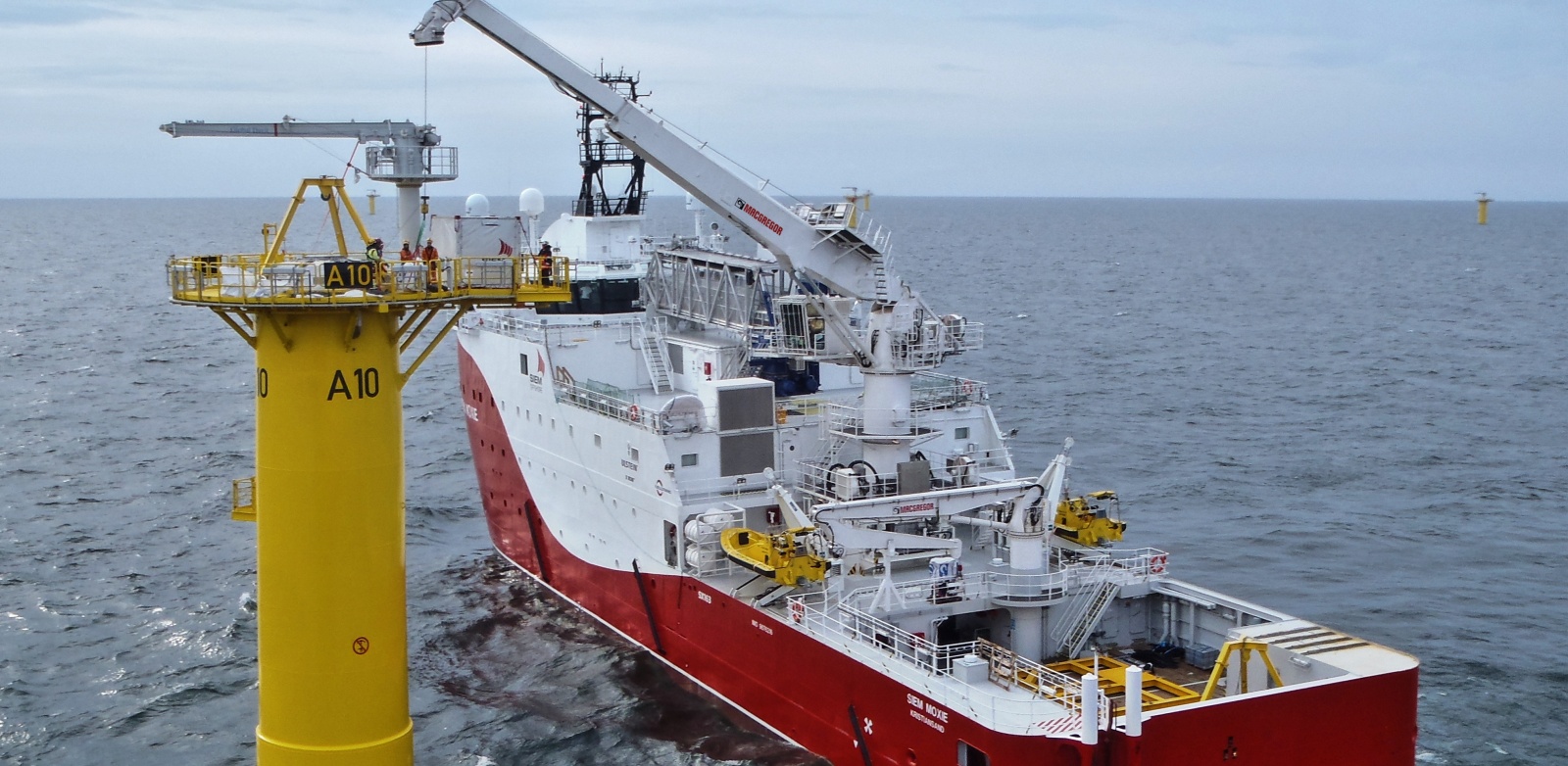
Motion Compensated Cranes
Motion compensated knuckle boom cranes. These cranes generally have lower lifting weigh capacities, and limited lifting height and reach. They rely on the integrity of pumped hydraulic systems, sensors and computer controls.
Limited To Max 70m Water Depths
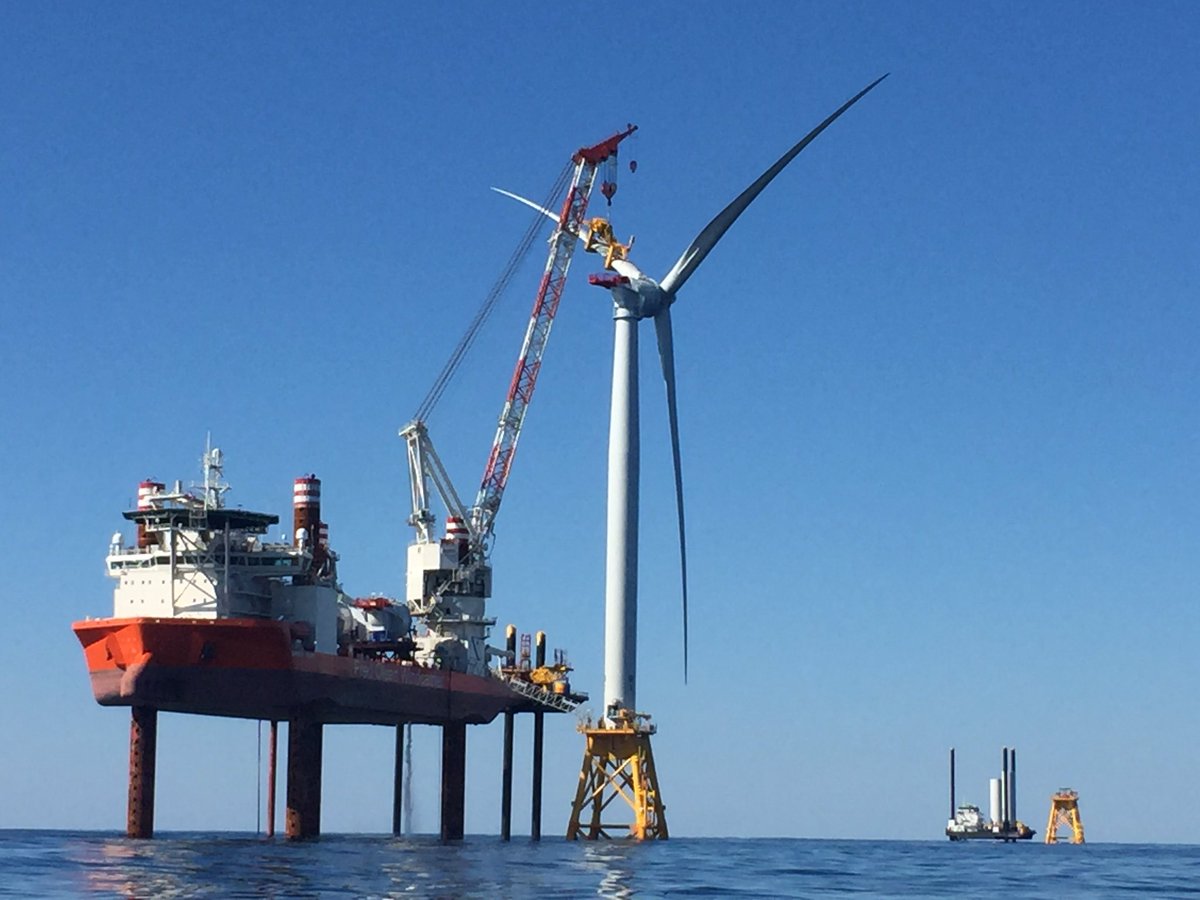
Jack-up Crane Vessels
Commonly used for close to shore wind farm installations, but limited to water depths of 50m - 70m. The use of these vessels rely on the whole vessel being jacked up out of the water on legs to provide a stable lifting platform. However, the length of their legs dictate their operational water depth.
Limited To Calm Sea States
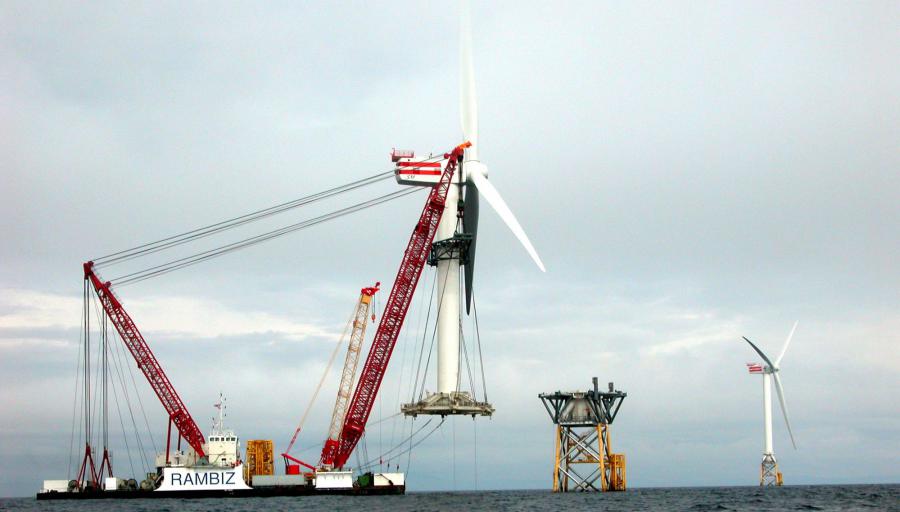
Sheerleg Crane Vessels
These vessels can have large lifting capacities and are often able to lift loads to great heights, but they generally need calm seas in which to operate. Often these cranes are mounted on flat bottomed barges, and not all of them are self propelled.
Overkill - To Big And Expensive
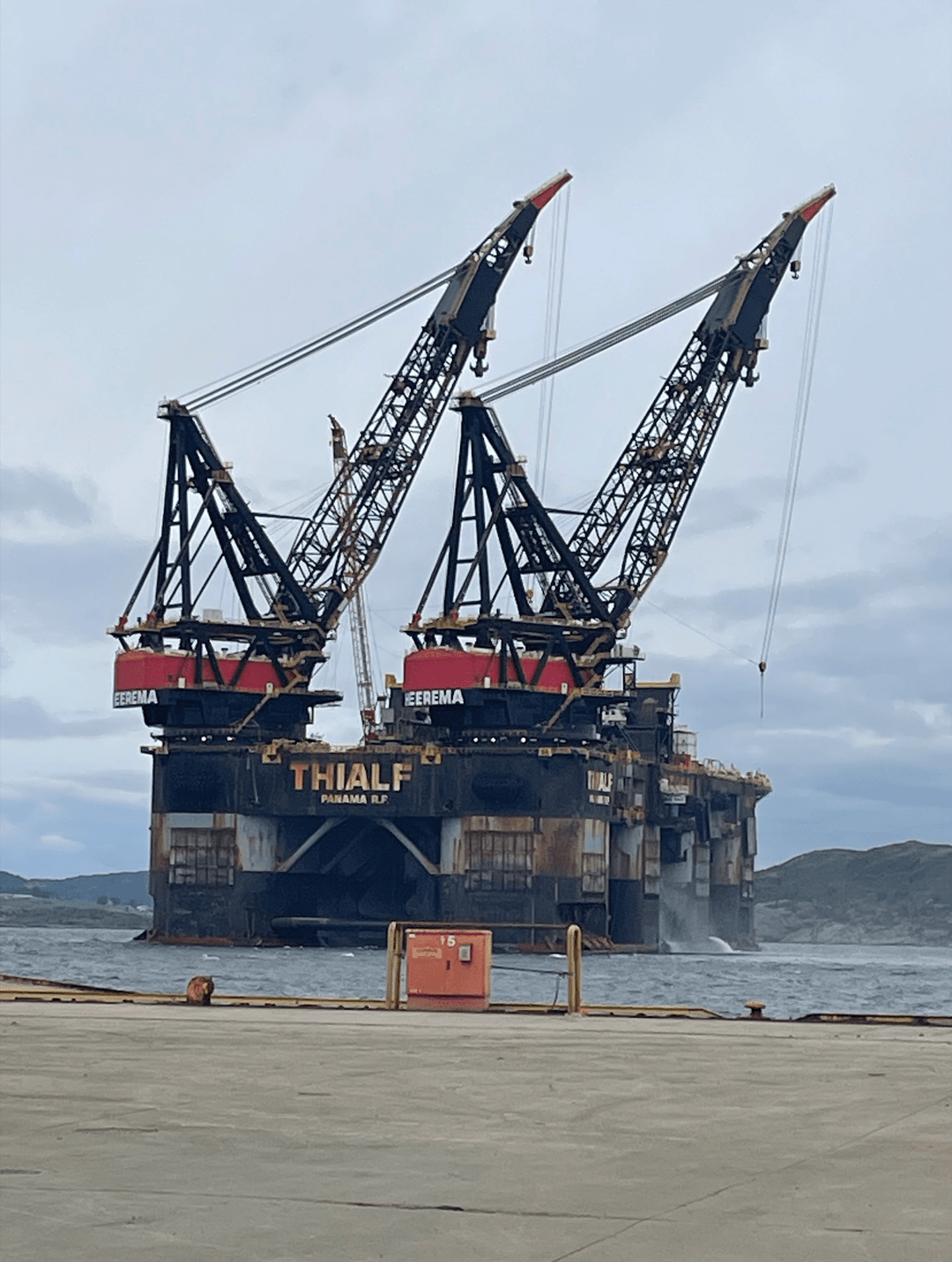
Semi-Submersible Crane Vessels
These are massive vessels, capable of lifting very heavy loads to great heights. However, there are only a very small number of these worldwide and they are in great demand and hugely expensive.
The Solution
An independently supported, Telescopic Spar Buoy mounted Crane
A scalable, inherently safe, lower cost solution, for deep water heavy lift operations.
Concept by Innovative Offshore Developments Ltd